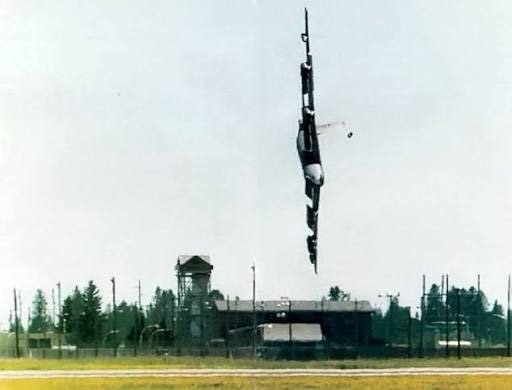
On June 24, 1994, one of the most tragic and preventable aviation accidents in U.S. Air Force history unfolded at Fairchild Air Force Base in Washington State. A Boeing B-52H Stratofortress, tail number 61-0026, crashed during a practice flight for an upcoming airshow, killing all four crew members on board. The accident shocked the military aviation community, not because of mechanical failure or enemy action, but because it was the result of human error, poor leadership, and a long history of ignored warnings.
The Aircraft and the Mission
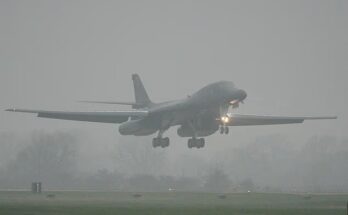
The B-52H Stratofortress is an iconic long-range strategic bomber, designed during the Cold War to deliver nuclear and conventional weapons. It is a massive aircraft with an enormous wingspan and a flight envelope that demands respect and discipline. While highly capable, the B-52 was never intended for aggressive low-altitude aerobatics or steep maneuvering, especially at low airspeeds.
The mission on that June morning was a rehearsal for an airshow scheduled the following day. The flight was meant to demonstrate the B-52’s capabilities to spectators, including flybys, turns, and simulated bombing passes. On board were four experienced Air Force officers, including the aircraft commander, Lt. Col. Arthur “Bud” Holland, who was also the wing’s chief of safety.
A Pilot with a Dangerous Reputation
Lt. Col. Holland was well known at Fairchild AFB for his aggressive and reckless flying style. Over several years, he had repeatedly violated flight regulations, performed unsafe maneuvers, and ignored established safety margins. These incidents were not isolated or secret—many were witnessed by other pilots, commanders, and even documented in reports.
Despite multiple warnings and near-misses, Holland continued flying without serious disciplinary action. His reputation as a “cowboy” pilot became normalized within the unit, a critical failure of leadership and safety culture. Alarmingly, the individual responsible for enforcing flight safety was himself the greatest risk.
The Fatal Flight
During the rehearsal, Holland began flying the B-52 well outside its approved limits. He executed extremely steep turns at low altitude and low airspeed, pushing the aircraft close to stall conditions. The bomber’s massive wings and weight made such maneuvers inherently dangerous.
As the aircraft approached the control tower area, Holland attempted a tight, high-bank turn at an altitude of approximately 250 feet above ground level. The bank angle exceeded 60 degrees—far beyond what was permitted for a B-52—and the airspeed dropped rapidly.
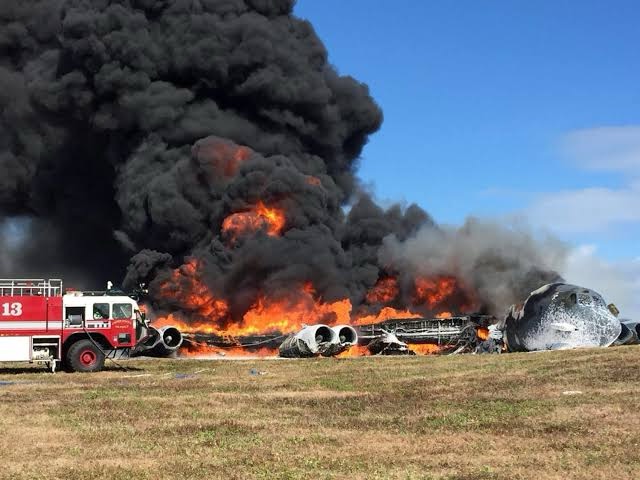
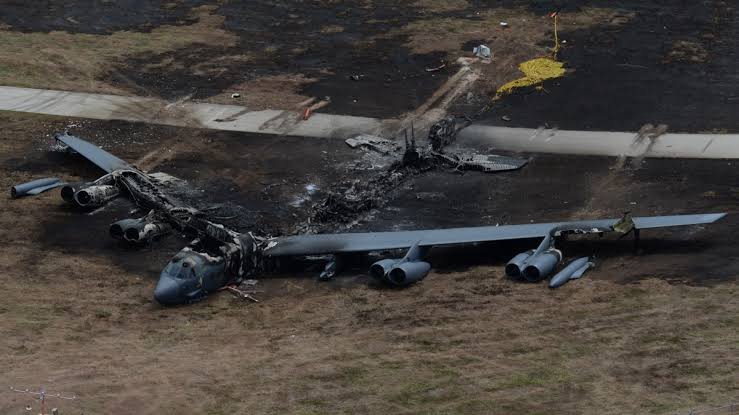
At that point, aerodynamic stall was unavoidable. The aircraft lost lift, rolled sharply, and impacted the ground in a massive fireball just seconds later. There was no time for recovery, and all four crew members were killed instantly.
No Mechanical Failure—Only Human Error
The investigation concluded that the crash was caused entirely by pilot error. The aircraft was mechanically sound. Weather conditions were good. There were no system malfunctions. The sole cause was the decision to fly the aircraft far beyond its safe operating envelope.
However, the investigation went deeper than the final moments of the flight. It revealed a pattern of systemic failures that allowed a dangerous pilot to continue flying unchecked. Supervisors repeatedly failed to ground Holland, despite clear evidence of unsafe behavior. Commanders chose to look the other way, fearing confrontation, paperwork, or disruption to the unit.
Leadership and Cultural Failure
Perhaps the most disturbing aspect of the Fairchild B-52 crash is that it was entirely preventable. Numerous officers had expressed concerns about Holland’s flying long before the accident. Some even predicted that his behavior would eventually lead to fatalities.
The Air Force’s official report criticized not only the pilot but also the chain of command. Leadership failed to enforce standards, discipline violations, or protect crew members who were placed in danger. This was not a single mistake—it was a culture that tolerated recklessness.
The tragedy became a landmark case study in aviation safety, often cited in discussions about normalization of deviance, where unsafe practices gradually become accepted as normal.
Lasting Impact on Aviation Safety
The Fairchild crash led to significant changes in how the U.S. Air Force approaches safety, accountability, and command responsibility. It is now widely used in military and civilian flight training programs as an example of what happens when warning signs are ignored.
The accident reinforced critical lessons:
Safety rules exist for a reason Rank does not excuse reckless behavior Leadership must act decisively when lives are at risk Past success does not justify future risk-taking
The names of the crew members lost that day are remembered not just for how they died, but for the lessons their loss taught future generations of aviators.
Conclusion
The 1994 Fairchild Air Force Base B-52 crash was not caused by bad luck or technical failure. It was the tragic result of arrogance, complacency, and leadership breakdown. Four lives were lost because one pilot repeatedly defied limits—and because others failed to stop him.
Today, the accident stands as a stark reminder that aviation safety is built on discipline, humility, and accountability. When those principles are compromised, even the most powerful aircraft in the world cannot save its crew.