The sight of the USS Enterprise (CV-6) being towed away in 1956 was not just the movement of an old warship toward its final destination—it was the closing of a powerful chapter in naval history. For many Americans, and for countless sailors who had once walked her decks, this moment carried the weight of memory, sacrifice, and national pride. The Enterprise, famously known as the “Big E,” was more than steel and machinery. She was a living symbol of endurance, bravery, and victory in the Pacific during World War II. Yet, by 1956, even legends had to face time’s unstoppable tide.
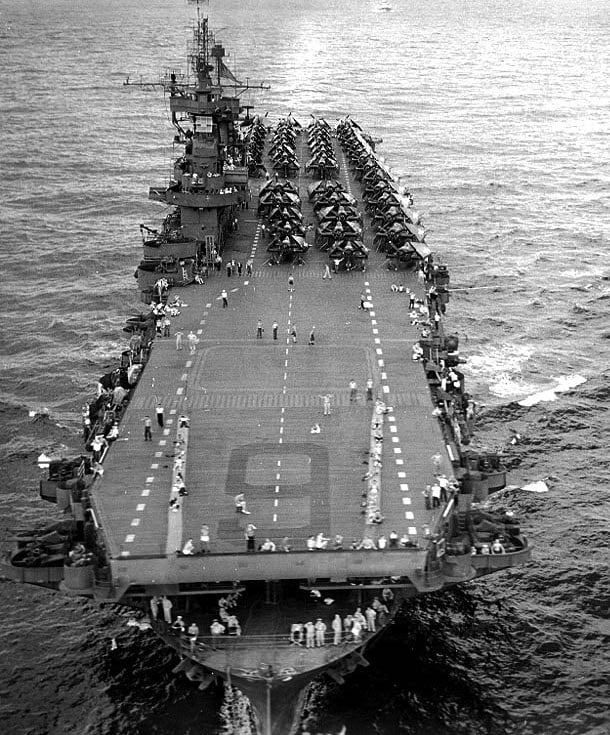
The USS Enterprise had once ruled the oceans with purpose. Commissioned in 1938, she entered service before the world fully understood the scale of destruction that would come with the Second World War. She was among the most important aircraft carriers of her era, designed to project power far beyond the reach of shore-based forces. When war erupted, aircraft carriers quickly proved to be the true kings of naval warfare, and Enterprise became one of the greatest examples of what such ships could accomplish. Her aircraft struck enemy bases, defended fleets, hunted warships, and supported amphibious invasions across vast distances. She was not merely present in history—she helped shape it.
During World War II, the Enterprise earned a reputation that few ships in any navy could match. She fought in some of the most critical battles of the Pacific campaign, including the Battle of Midway, the Guadalcanal campaign, and countless operations that pushed Allied forces closer to Japan. She survived relentless attacks, storms, long deployments, and intense combat. Again and again, she returned to the fight. Her crew endured exhaustion, fear, and loss, but they also carried determination that refused to collapse. The carrier became a floating fortress and a home, a weapon and a lifeline. For the men who served aboard her, the ship was part of their identity.
By the end of the war, the USS Enterprise was the most decorated U.S. Navy ship of World War II. She had earned 20 battle stars, a record that reflected her extraordinary service. That achievement was not just a list of awards—it represented thousands of missions flown, countless hours at sea, and untold acts of courage. It represented pilots who never returned, sailors who fought fires and repaired damage under attack, and officers who made impossible decisions in seconds. It represented the human cost of war and the determination to win. When peace finally came, the Enterprise was already a legend.
But peace changes priorities. After 1945, the United States Navy began shifting toward newer technology and modern carrier designs. Jet aircraft were becoming the future, and they required different decks, different launch systems, and greater support. The ships that had dominated World War II were suddenly aging faster than anyone expected. Wartime production had been massive, and the Navy now had more ships than it needed. Maintaining older vessels cost money, and the postwar world demanded efficiency. Even a hero like the Enterprise could not escape the reality of modernization.
The Enterprise was decommissioned in 1947 and placed into reserve. For years, she waited in silence, no longer roaring with aircraft engines or filled with the constant motion of a warship at sea. She was still enormous, still impressive, but time had changed her purpose. The paint faded. The steel aged. The equipment that once represented cutting-edge strength became outdated. Though the ship remained physically present, her era was passing. Still, many believed she deserved preservation. A ship with such a record, such meaning, and such history seemed destined to become a museum, a memorial, a national treasure.
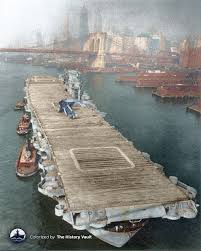
There were efforts to save her. Veterans, historians, and patriotic citizens recognized the importance of the USS Enterprise and tried to raise funds to preserve her. But saving an aircraft carrier is not simple. It requires enormous financial support, long-term maintenance, and a dedicated location. Unlike smaller ships, carriers are floating cities—huge, complex, and expensive to keep afloat. In the 1950s, the concept of preserving a massive warship as a museum was not as common as it is today. The country was moving forward into the Cold War, focusing on new threats and new weapons. As painful as it was, the idea of scrapping the ship began to feel inevitable.
In 1956, the decision became reality. The USS Enterprise was towed away to be scrapped. The image of the Big E being pulled by tugboats, powerless and silent, was a heartbreaking contrast to her wartime glory. Once, she had cut through the ocean under her own power, commanding respect and fear. Once, she had launched planes that shaped the outcome of battles. Now, she drifted toward dismantling, guided not by mission orders but by ropes and engines that were not her own. It was not a defeat, but it felt like a farewell that came too soon.
For the veterans who watched, or even those who heard the news from afar, the scrapping of the Enterprise may have felt like losing a part of themselves. Ships like CV-6 carried memories that could not be replaced. Every corner of the carrier held stories—of laughter in brief moments of calm, of fear during attacks, of grief after losses, and of pride when missions succeeded. Scrapping a ship is not like retiring a machine. It can feel like erasing a monument. Yet, even as the steel would be cut apart, the legacy of the ship could not be destroyed.
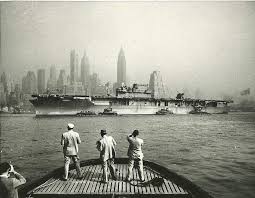
The towing of the USS Enterprise in 1956 also symbolized something larger: the way time reshapes history. Even the greatest achievements eventually become memories. The tools of one generation become relics to the next. But history is not only kept through objects—it is kept through stories, records, and the impact left behind. The Big E lived on in books, photographs, naval traditions, and the hearts of those who served. She lived on in the lessons of warfare and leadership, and in the reminder that victory often depends on courage and endurance under unimaginable pressure.
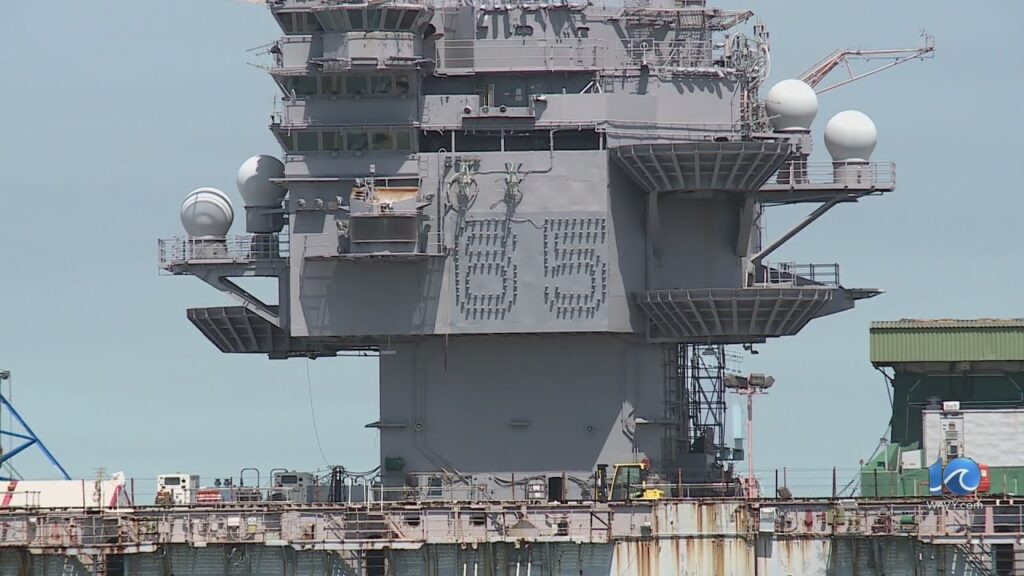
Although the USS Enterprise (CV-6) was lost to the scrapyard, her spirit continued to sail forward through the ships that carried her name. The United States Navy later commissioned other vessels named Enterprise, including the famous nuclear-powered aircraft carrier USS Enterprise (CVN-65). That ship, and others like it, inherited the legacy of CV-6. The name Enterprise became more than a label—it became a symbol of excellence, strength, and honor.
The moment in 1956 when the USS Enterprise was towed away to be scrapped remains one of the most emotional endings in naval history. It reminds us that even legends have final journeys. But it also reminds us that a ship’s true power is not only in its guns or aircraft—it is in what it represents. The Big E represented hope in dark times, resilience in battle, and the will to keep going no matter the damage. Even as her hull disappeared, her story remained, and it still inspires generations today