On August 12, 2000, what began as a routine Russian Navy training exercise in the bitterly cold waters of the Barents Sea quickly spiraled into one of the most devastating naval disasters in modern history. The exercise was supposed to demonstrate strength, readiness, and discipline—an organized show of military capability meant to reassure both the Russian public and the international world that the Navy remained powerful after years of struggle following the collapse of the Soviet Union. Instead, the day would become a haunting symbol of loss, secrecy, and irreversible tragedy.
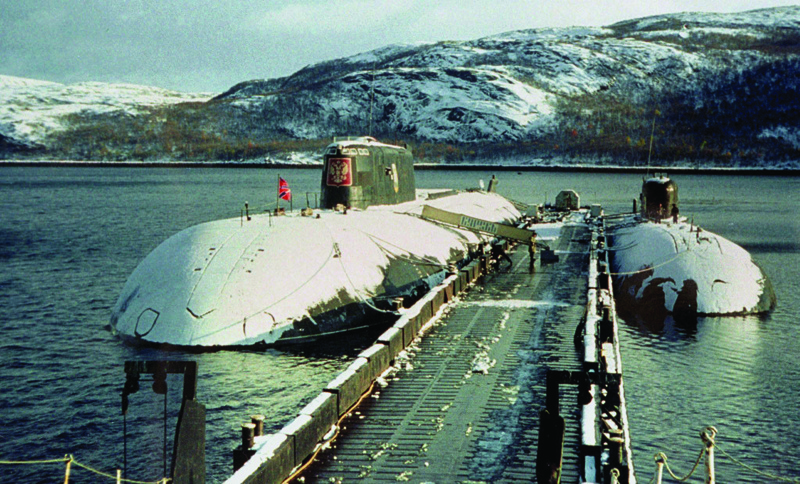
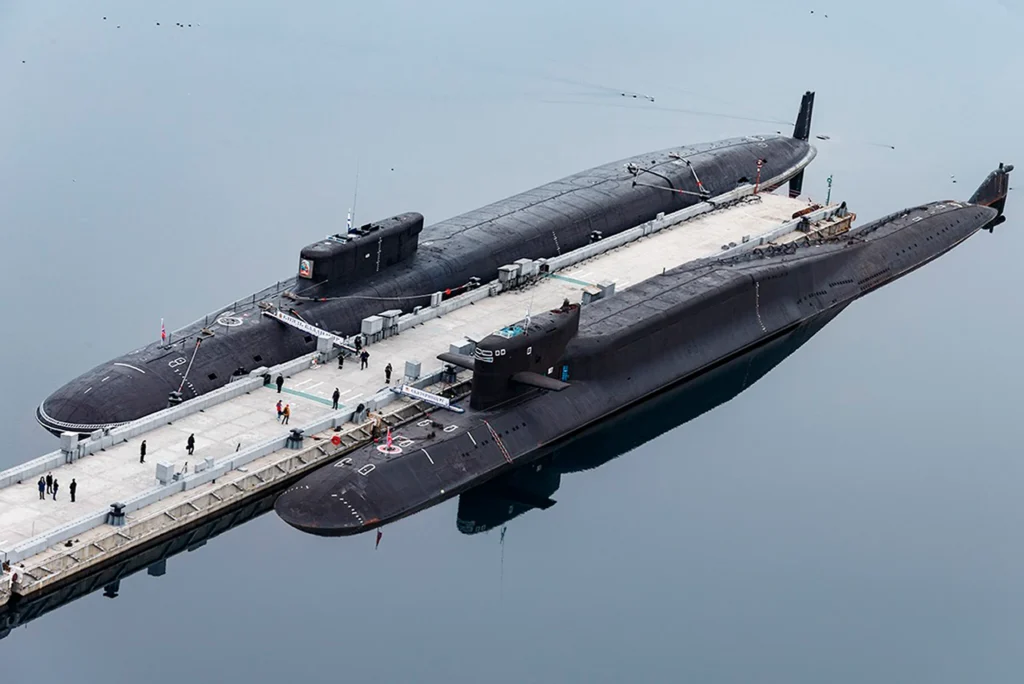
The main vessel involved was the K-141 Kursk, a massive nuclear-powered submarine belonging to Russia’s Northern Fleet. Built as part of the Oscar-II class, the Kursk was designed to be a titan beneath the ocean—fast, heavily armored, and capable of launching deadly missiles. It was not only a strategic weapon but also a national symbol. Inside its steel body were 118 sailors, many of them young, highly trained men who believed they were carrying out another controlled mission in service of their country. None of them could have imagined that within hours, the submarine would be transformed into a sealed underwater tomb.
That morning, conditions in the Barents Sea were harsh, as expected for a region known for its icy waters and unpredictable weather. Still, the exercise proceeded. The Kursk was scheduled to participate in a simulated attack, involving the firing of practice torpedoes. For the crew, it was another operation in a long line of drills. Submarine exercises were dangerous by nature, but they were also routine—something these men had prepared for countless times. Yet beneath the surface, something went catastrophically wrong.
At approximately 11:28 a.m., sensors detected a sudden explosion. At first, the event was unclear. It could have been mistaken for an accident during training, or even dismissed as an unusual underwater disturbance. But the truth was far worse. A torpedo malfunction—believed to be caused by a leak of highly reactive fuel—triggered a violent blast in the front section of the submarine. The explosion ripped through compartments, instantly killing sailors near the torpedo room and sending shockwaves through the Kursk’s hull.
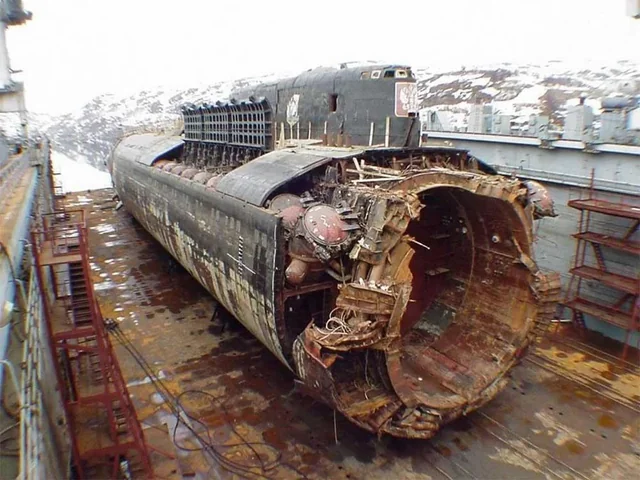
Moments later, a second, far more powerful explosion occurred. This blast was catastrophic. It was strong enough to register on seismic equipment, similar to a small earthquake. The second explosion likely detonated additional torpedoes stored in the submarine’s forward section, multiplying the destruction. The force tore open the interior of the vessel and caused massive flooding. In less time than it takes to draw a breath, the Kursk became crippled, sinking rapidly to the seabed.
The submarine struck the ocean floor at a depth of around 100 meters. It did not disappear into an unreachable abyss, but the freezing waters and extreme pressure made rescue operations incredibly difficult. Above the surface, the rest of the Russian Navy waited for communication. When the Kursk failed to respond, concern turned into panic. Submarines were designed to be silent, but they were not meant to vanish.
Soon, the Russian Navy realized that the Kursk was in distress—or worse. Yet confusion, limited technology, and the strict culture of military secrecy slowed the response. Hours passed. Then more. The world watched as rumors spread, and families of the sailors demanded answers. Russia’s leadership struggled to manage both the rescue effort and the growing international attention.
One of the most heartbreaking aspects of the disaster was that not everyone died immediately. Evidence later suggested that a small group of sailors survived the initial explosions and retreated to the rear compartments of the submarine. In the darkness, surrounded by smoke, rising water, and damaged systems, they waited. They hoped that rescue would come quickly. They likely heard sounds from the outside—mechanical tapping and movement—signs that someone might be trying to reach them. But time was against them.
Inside the Kursk, oxygen became scarce. Carbon dioxide levels rose. Fires may have started from damaged equipment. The temperature dropped as freezing seawater seeped in. The men who survived the blast were trapped in an environment that became more deadly with every passing hour. Their situation was terrifying: no escape route, no certainty of rescue, and only the dim possibility that someone would reach them in time.
The Russian Navy attempted rescue operations, but their equipment struggled. Underwater rescue vehicles repeatedly failed to dock properly with the Kursk’s escape hatch. The sea conditions were unforgiving. Technical limitations and delays cost precious hours—hours that those trapped sailors did not have. As the crisis grew, foreign nations offered assistance, including advanced rescue divers and equipment. But accepting help was politically complicated, and Russia initially hesitated.
That hesitation became one of the most criticized decisions in the aftermath. Many believed that if international help had been accepted sooner, lives might have been saved. The tragedy became more than an accident—it became a national wound, tied to questions of leadership, transparency, and the true state of the Russian military.
Days later, when foreign divers were finally allowed to assist, the reality was devastating. The submarine was flooded. The compartments were silent. There were no survivors. All 118 crew members had perished.
The Kursk disaster shocked the world not only because of the scale of loss but because of what it revealed. It exposed the dangers of aging military equipment, the risks of torpedo technology, and the consequences of delayed emergency response. It also revealed how deeply secrecy and pride could interfere with life-saving decisions.
In the years that followed, the tragedy remained etched into global memory. Investigations tried to explain the exact cause of the explosions, with many conclusions pointing toward torpedo failure. The Russian government eventually raised the Kursk from the seabed in a complex recovery operation, bringing parts of the submarine back to land. Families mourned, memorials were built, and the story became a lasting reminder of the human cost behind military power.
The Barents Sea, cold and vast, returned to silence. But the legacy of August 12, 2000 did not fade. It became a reminder that even in a “routine exercise,” disaster can strike without warning—and that beneath the surface of national strength can lie fragile systems, vulnerable lives, and moments where every decision matters.