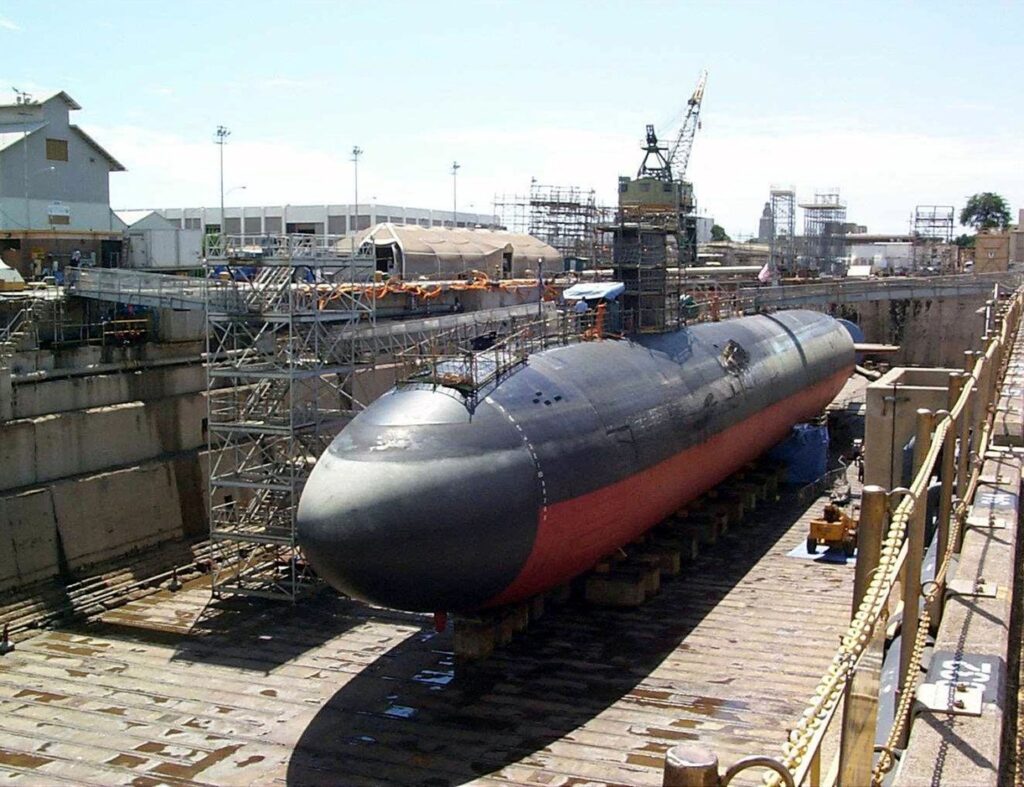
In May 2012, one of the most shocking acts of sabotage in modern U.S. Navy history took place—not by a foreign enemy, not by a terrorist organization, and not even by a skilled criminal mastermind. Instead, it was caused by a civilian shipyard worker who simply wanted to leave work early. That worker was Casey James Fury, and his reckless decision would trigger a disaster that cost the United States hundreds of millions of dollars and permanently changed the fate of a nuclear attack submarine: the USS Miami (SSN-755).
The USS Miami was a Los Angeles-class nuclear-powered submarine, one of the Navy’s most important types of fast attack vessels. Designed for stealth, speed, and combat capability, these submarines were built to track enemy ships, gather intelligence, and protect American interests across the oceans. The Miami itself had served the country for years, operating quietly beneath the waves where submarines do their most valuable work. But by 2012, the vessel was undergoing scheduled maintenance at a shipyard in Portsmouth, Maine. Like many submarines, it required repairs and upgrades to stay mission-ready. The work was complex, expensive, and time-consuming—but necessary.
During these maintenance periods, civilian shipyard employees and contractors often work alongside Navy personnel. They handle repairs, welding, inspections, electrical tasks, and a long list of technical duties. It’s a demanding environment, full of strict safety rules. Submarines are packed with wiring, insulation, and tight compartments, and fire is one of the greatest threats onboard any ship—especially a submarine. A blaze inside a submarine can spread quickly, produce toxic smoke, and destroy critical systems. Even with fire prevention measures in place, the danger is always present.
On that day in May, Casey James Fury was working inside the USS Miami. Instead of completing his assigned duties normally, he made a choice that would soon spiral out of control. He wanted to get off work early. Some reports later suggested he was tired, unmotivated, or simply looking for an excuse to stop working. Whatever the reason, his method was extreme: he deliberately started a fire.
Fury lit a small blaze in a section of the submarine, expecting it to cause just enough disruption to send workers home. The idea was that if a fire alarm went off, the job would pause, and the shift might end early. It was an incredibly foolish plan—because fire doesn’t follow plans. Once flames ignite in a confined space filled with flammable materials, they can grow rapidly. Smoke spreads fast, visibility drops, and panic can rise. What Fury thought would be a minor disturbance became a full-scale emergency.
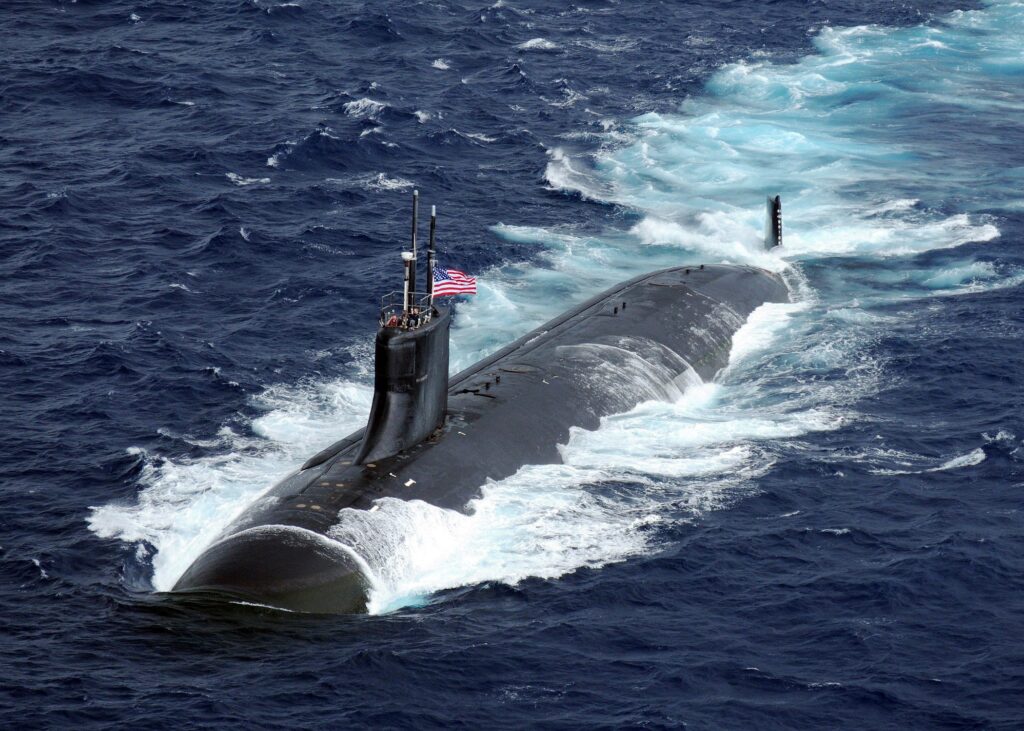
The fire broke out inside the submarine’s forward compartment. Soon, thick smoke filled areas of the vessel. Workers rushed to respond, but it was not easy. Submarines are narrow and enclosed, and reaching the source of a fire can be difficult. Firefighters and emergency crews battled to contain the flames. The situation grew so intense that the fire burned for hours. The heat and smoke caused massive damage to the interior. Cables were destroyed, equipment was ruined, and parts of the submarine’s structure were heavily impacted.
When the fire was finally extinguished, the real nightmare began: assessing the cost. The USS Miami wasn’t just any ship. It was a nuclear-powered submarine worth hundreds of millions of dollars, filled with specialized technology and critical systems. The damage was extensive. Repairs would take years, and the estimated cost climbed to a staggering level—around $700 million in damages.
That number wasn’t just shocking because of its size. It was shocking because the cause was so senseless. A U.S. Navy submarine—built to survive war zones, enemy threats, and harsh ocean environments—had been severely crippled by a fire started by someone who simply didn’t feel like working.
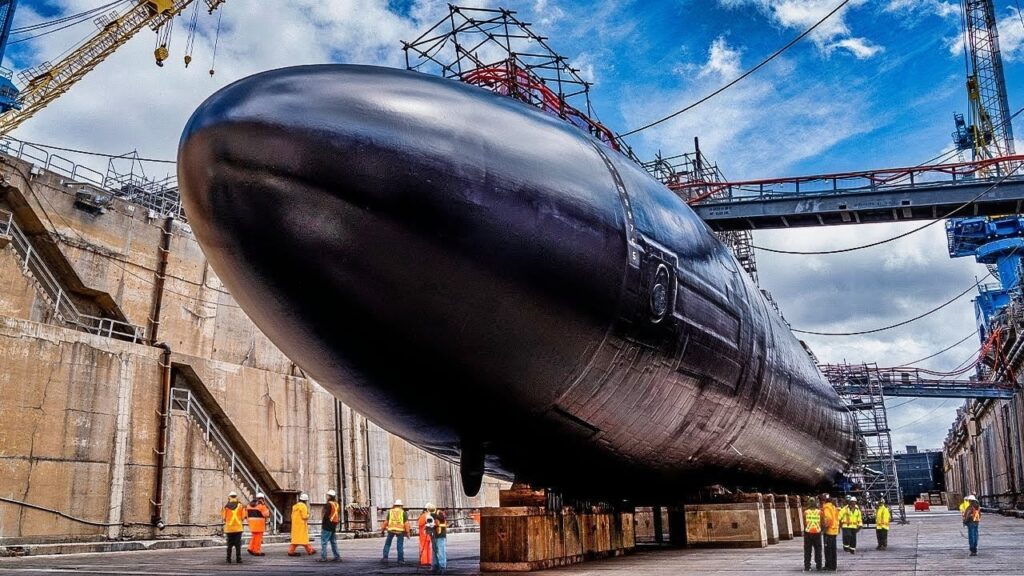
Investigators launched an intense inquiry. A fire inside a military vessel is treated as a major incident, and the Navy needed answers. At first, it may not have been clear that the fire was intentional. Accidents can happen in shipyards. Electrical problems, welding sparks, or improper storage of flammable materials can all lead to fires. But as the investigation continued, evidence began pointing toward something darker: arson.
Eventually, Fury was identified as the person responsible. He admitted to setting the fire. The truth behind his motive made the story even more unbelievable. This was not sabotage for political reasons. It was not an attempt to harm national security directly. It was a selfish act driven by laziness and short-term thinking.
Fury’s actions had consequences far beyond what he likely imagined. The USS Miami’s repair schedule was destroyed. The Navy had to redirect resources, money, and manpower to deal with the disaster. The submarine was supposed to return to service, but the costs became so high that it raised a serious question: was it even worth repairing?
In the end, the Navy decided the damage was too severe and too expensive to justify. Instead of fully repairing the submarine, the USS Miami was eventually removed from service earlier than planned. That meant the Navy lost a valuable vessel—one that could have continued serving for years. The fire didn’t just destroy equipment; it shortened the life of an entire submarine.
The incident also highlighted vulnerabilities in military maintenance operations. Civilian contractors play a major role in keeping Navy ships functional, but this case raised concerns about oversight, security, and accountability. How could one worker gain the ability to cause such enormous destruction? What safeguards failed? What warning signs were missed? The Navy and shipyards had to reevaluate procedures to reduce the risk of anything like this happening again.
For Fury himself, the legal consequences were serious. He faced charges and punishment for arson and for the massive financial damage caused by his actions. But no prison sentence could undo what was lost. The fire became one of the most expensive acts of sabotage—or reckless destruction—in U.S. naval history.
The USS Miami fire stands as a powerful lesson in how small decisions can create massive disasters. A single flame, lit for a selfish reason, turned into a catastrophe that cost hundreds of millions of dollars and removed a critical submarine from the fleet. It’s a reminder that national security isn’t only threatened by enemies abroad—it can also be endangered by careless actions within.
In the end, the story is almost unbelievable because it feels so pointless. A submarine designed for war was defeated by laziness. A sophisticated piece of military engineering was crippled by someone who wanted to go home early. And a moment of irresponsibility became a disaster that will be remembered for decades.