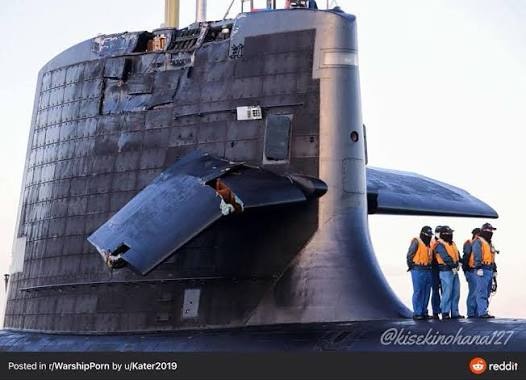
The Japanese Maritime Self-Defense Force (JMSDF) submarine JS Soryu (SS-501) suffered visible sail damage following a collision at sea, prompting renewed attention to the challenges of operating advanced submarines in crowded maritime regions. The incident, while not resulting in casualties or loss of the vessel, highlights the risks faced by modern naval forces during routine operations.
JS Soryu, the lead boat of Japan’s highly regarded Soryu-class diesel-electric attack submarines, was conducting standard maneuvers when the collision occurred. According to defense officials, the submarine’s sail—the vertical structure housing periscopes, sensors, and communication masts—sustained structural damage. Initial assessments indicate that the pressure hull remained intact, ensuring the safety of the crew and the submarine’s buoyancy.
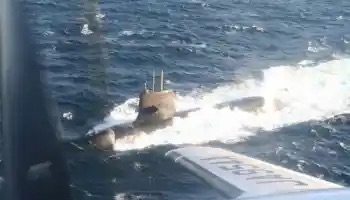
The Soryu-class submarines are among the most advanced non-nuclear submarines in the world. Equipped with air-independent propulsion (AIP) systems, these vessels are designed for extended submerged operations, stealth, and advanced anti-submarine and anti-surface warfare missions. As the first submarine of its class, JS Soryu has played a significant role in shaping Japan’s undersea warfare capabilities since entering service.
Collisions involving submarines are relatively rare but can occur due to heavy maritime traffic, limited visibility, or misjudgments during navigation. The waters around Japan are some of the busiest in the world, with commercial shipping lanes, fishing vessels, and naval operations often overlapping. Even with advanced sonar systems and strict operational protocols, avoiding all hazards remains a complex task.
Following the incident, the JMSDF initiated a detailed investigation to determine the exact cause of the collision. Investigators are expected to examine navigational data, crew procedures, and environmental conditions at the time of the event. The findings will likely influence future training, operational guidelines, and safety measures for submarine crews.
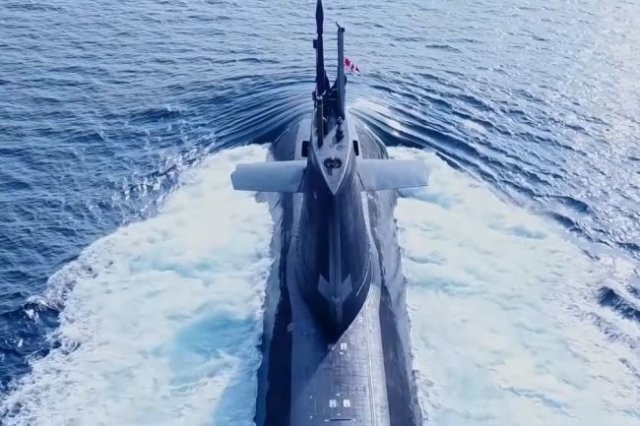
The damaged sail will require inspection and repair before JS Soryu can return to full operational status. While sail damage does not usually compromise a submarine’s core structural integrity, it can affect sensor performance and stealth characteristics. Repairs may involve dockyard work and replacement of external components, temporarily removing the submarine from active duty.
This incident also underscores the broader challenges faced by modern navies as maritime environments grow increasingly congested. With rising commercial traffic and heightened regional security activity, naval forces must balance readiness with safety. Lessons learned from the JS Soryu collision may contribute to improved coordination and risk reduction measures in the future.
Despite the setback, defense officials emphasized that the JMSDF remains confident in the reliability of the Soryu-class submarines and the professionalism of their crews. The incident serves as a reminder that even the most advanced naval platforms are not immune to the dangers of operating beneath the waves.