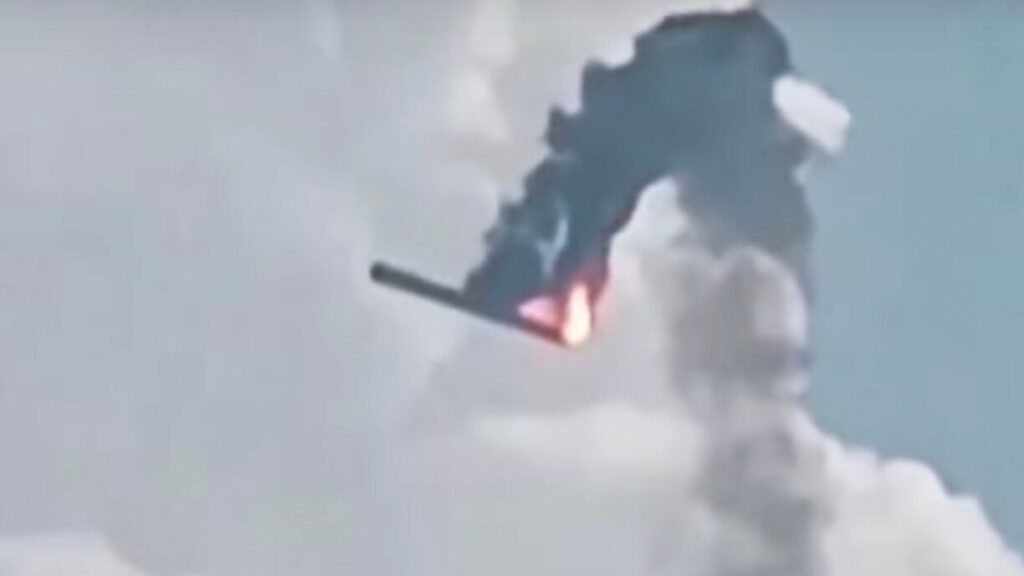
In a day that was expected to be remembered as a major achievement in modern space exploration, China attempted something bold and record-breaking: launching two rockets on the same day. This rare feat was meant to show the world the country’s growing strength in aerospace technology, engineering discipline, and space dominance. The launches were planned with confidence and were seen as part of China’s wider ambition to compete at the highest level of global space programs. However, what was meant to be a historic milestone quickly transformed into a heartbreaking and humiliating disaster when both rockets failed tragically.
The world watched with curiosity and anticipation as the first rocket prepared for liftoff. Space launches have always carried a mix of excitement and danger, because even the smallest technical error can lead to massive consequences. Engineers and scientists work for months or even years to ensure every component performs correctly. When a rocket leaves the ground, it carries not only satellites or scientific equipment, but also national pride, huge financial investment, and the reputation of the teams behind it. China’s first launch was expected to prove that the country could execute multiple successful missions within hours, a capability only a few nations have ever demonstrated.
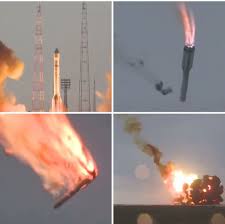
At first, the launch appeared to go according to plan. The rocket roared into the sky with intense force, lighting up the surrounding area and sending waves of smoke and fire behind it. The sound of the engines was thunderous, shaking the ground and reminding everyone of the raw power required to escape Earth’s gravity. For a brief moment, everything looked successful. Supporters and viewers believed they were witnessing a historic event that would strengthen China’s place in space history.
But soon after the rocket climbed higher, problems began to emerge. Reports suggested that the vehicle experienced instability, and within moments, the mission started to unravel. What followed was described as a catastrophic failure, leaving the rocket unable to complete its intended path. A launch failure is never a small event—it is a dramatic explosion of lost resources and crushed expectations. Whether the rocket fell back to Earth or broke apart mid-flight, the result was the same: the mission did not succeed. For China, the disappointment was already massive, but what came next made the situation even worse.
Despite the failure of the first rocket, China continued forward with the second launch later the same day. This decision shocked many observers, because launching again so soon after a major failure can be extremely risky. Normally, after a launch disaster, space agencies pause missions to investigate the cause, analyze data, and prevent the same mistake from happening again. But China’s plan to launch twice in one day was already set in motion, and perhaps officials hoped that the second rocket would succeed and reduce the impact of the earlier failure. It was a gamble that carried enormous pressure.
The second launch became even more important because it now had the burden of restoring confidence. A successful mission would have shown resilience, strength, and control under pressure. It would have proved that the first failure was simply an unfortunate accident rather than a deeper problem. The countdown began, and once again, the rocket stood tall on the launchpad, ready to rise. Cameras focused on the structure, audiences waited, and the world watched closely to see whether China could recover from the first disaster.
When the second rocket launched, the atmosphere was tense. The engines ignited, and the rocket lifted into the sky with a trail of flames and smoke. For a few seconds, it looked like redemption was possible. But then tragedy struck again. The second rocket also failed, making the day even darker than anyone could have imagined. Two launches in one day was already rare, but two catastrophic failures in the same day was something almost unthinkable. Instead of being remembered as a record-breaking triumph, the day became known as one of the most painful and shocking moments in China’s space program.
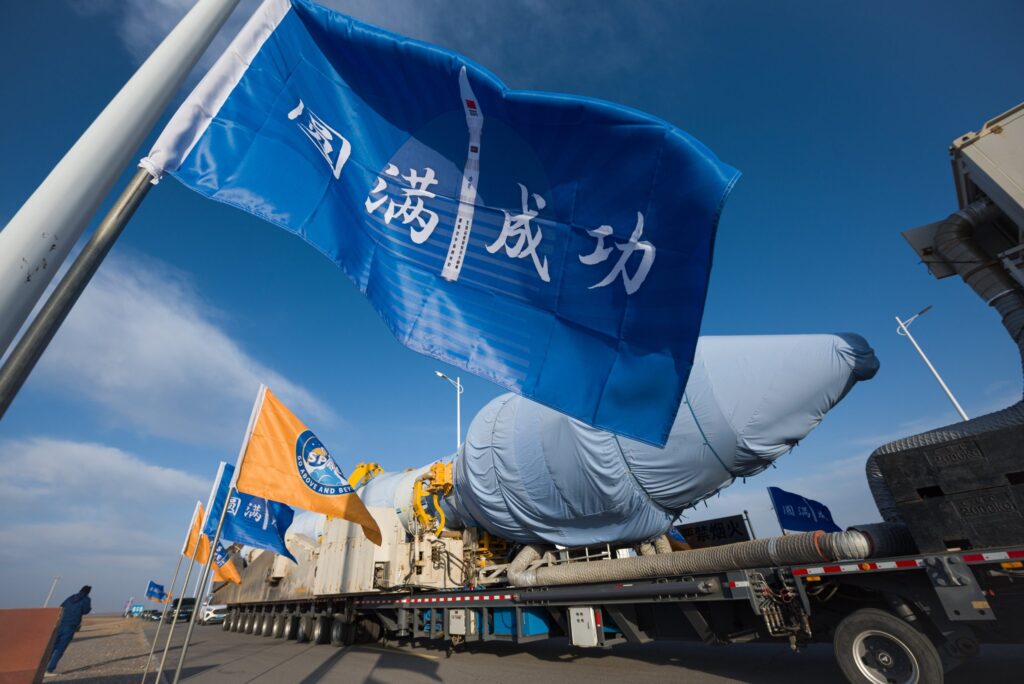
The impact of these failures goes beyond the rockets themselves. Every rocket launch represents years of planning, complex engineering, and the work of thousands of skilled professionals. When a rocket fails, it is not just the loss of a machine—it is the loss of time, money, and confidence. Satellites that were supposed to enter orbit may have been destroyed, delaying important scientific projects, communication networks, or national security missions. Additionally, such failures can damage the trust of partners and investors who rely on these missions for commercial or strategic goals.
Space exploration is a field where reputation matters deeply. Countries and private companies compete for leadership in launch technology, satellite deployment, and future missions to the Moon and Mars. China has worked hard over the years to prove itself as a powerful and capable space nation. It has achieved major milestones, including building space stations, landing rovers on the Moon, and sending missions to Mars. Because of this progress, expectations were high, and many believed that China was entering a new era of advanced space dominance. That is why this double failure was especially shocking—it interrupted the image of steady success and raised serious questions about reliability.
However, failure is not new in the world of space travel. Even the most successful space programs in history have suffered disasters. The United States, Russia, and other nations have all experienced explosions, mission losses, and painful setbacks. Rockets operate under extreme conditions: enormous heat, pressure, vibration, and speed. A single faulty sensor, a small fuel leak, or an engine malfunction can destroy an entire mission. What matters most is how an agency responds. If China investigates the failures carefully and improves its systems, it can recover and return stronger.
Still, the psychological and political damage from such a day is significant. Citizens who believed in the strength of their country’s space program may feel disappointed. Engineers may feel pressure and frustration. International observers may question China’s readiness for future high-risk missions. In the modern world, where space is becoming increasingly competitive and important, reliability is everything. Launch failures not only cost money—they can cost global trust.
The record of launching two rockets in a single day may still stand as a rare attempt, but it is not the kind of record any nation wants to be remembered for. Instead of becoming a symbol of progress, it became a symbol of how quickly ambition can collapse when technology fails. The tragic outcome reminds the world that space exploration is not just about power and speed, but also about precision, patience, and safety.
In the end, this day will likely become a turning point for China’s space industry. It may lead to major reforms, deeper testing procedures, and improved safety measures. While the failures were tragic and embarrassing, they may also serve as lessons that strengthen future missions. Space exploration has always been built on risk, sacrifice, and persistence. Even in disaster, nations learn, rebuild, and try again.
China’s double rocket launch attempt will be remembered not for the record itself, but for the painful truth it revealed: even the most ambitious plans can fall apart in seconds. And while the rockets failed, the story is not over—because in space exploration, the real victory is not avoiding failure forever, but rising again after it happens.